The Pacifier & Thumb Sucking Guide: Protecting Your Child’s Bite
As parents, we all want what’s best for our children’s smiles. Pacifiers and thumb-sucking can provide comfort during a child’s early years, but these habits may leave parents wondering, “Will this affect my child’s teeth long term?”
At Willow Tree Pediatric Dentistry in Trumbull, CT, we understand the worries families face when it comes to their child’s dental health. Let’s explore how pacifiers and thumb-sucking impact oral development and how you can safeguard your child’s bite for a lifetime of healthy smiles.
Why Do Children Suck Thumbs or Use Pacifiers?
Thumb-sucking and pacifier use are completely normal during infancy and toddlerhood. They’re natural reflexes that help babies self-soothe, feel secure, and even fall asleep during their early years.
For many children, these habits bring much-needed comfort, especially during times of stress or separation. However, as reassuring as these habits are during early stages, prolonged use can sometimes lead to dental issues that may require attention.
How Do Pacifiers and Thumb-Sucking Affect a Child’s Bite?
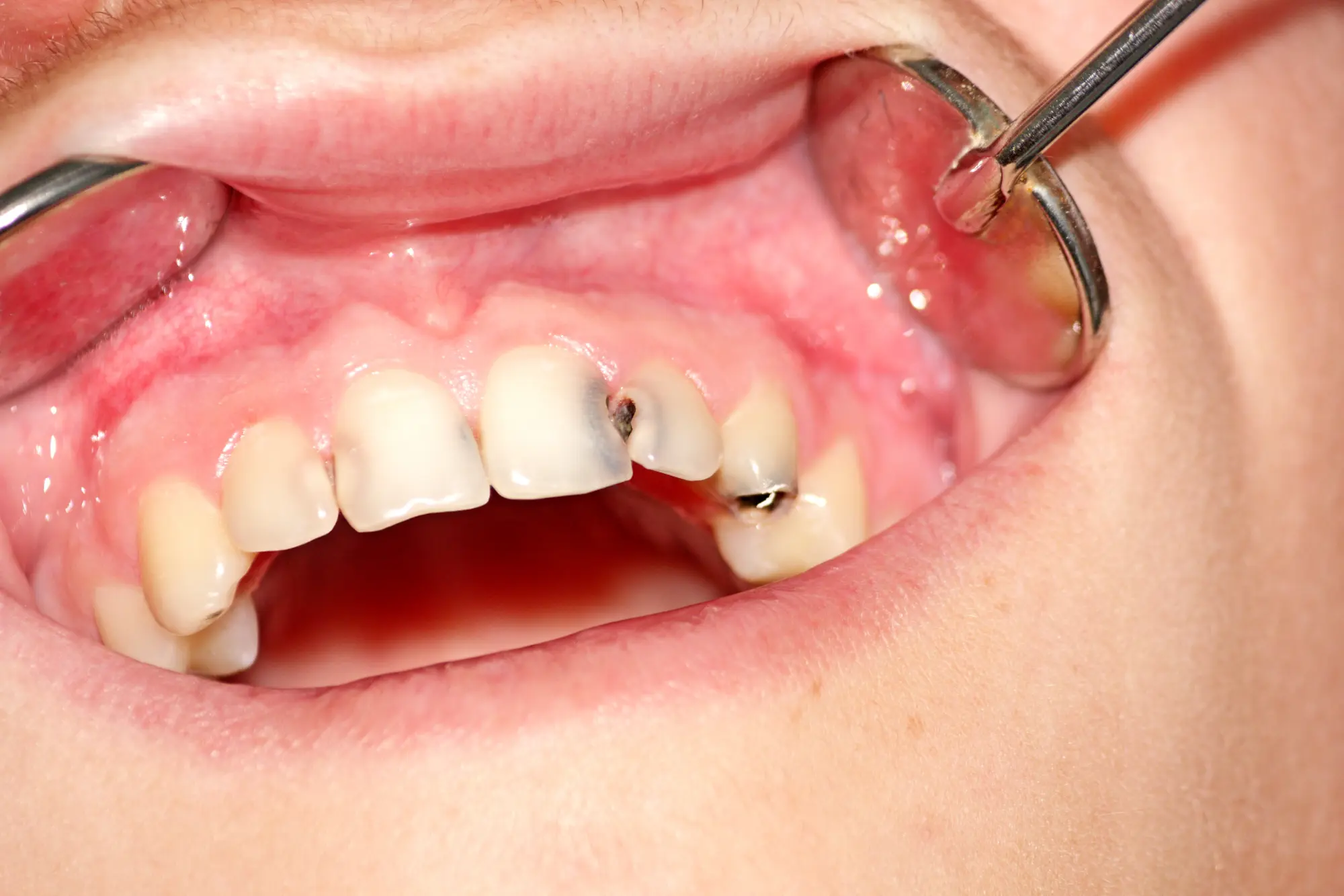
It’s important to understand how these habits can influence oral development. Consistent force applied to the same areas of the mouth can shape a child’s developing jaws and teeth alignment. If habits persist beyond the toddler years, particularly after the age of 3, they may lead to dental concerns such as:
- Overbites or underbites
- Open bites (when the top and bottom teeth don’t meet properly)
- Changes in jaw alignment
- Speech difficulties or tongue thrusting
Dr. Martin Berger, a trusted pediatric dentist at Willow Tree Pediatric Dentistry, often reassures concerned families that, with the right approach, many of these issues are preventable. Early intervention is key to maintaining the proper development of your child’s teeth and jaws.
When Should You Start Weaning Off Pacifiers or Thumb-Sucking?
While there’s no one-size-fits-all answer, the American Academy of Pediatric Dentistry (AAPD) recommends addressing these habits by the age of 3. This timing allows your child’s oral structures to develop without long-term impact.
Signs It’s Time to Break the Habit
If you notice the following signs, it might be time to start weaning your child off pacifiers or thumb-sucking:
- Your child is approaching preschool age (3 to 5 years)
- Changes or misalignment in tooth positioning
- Difficulty with chewing or speech
- Frequent ear infections (sometimes linked to prolonged pacifier use)
At Willow Tree Pediatric Dentistry, we have extensive experience helping families navigate these transitions. Whether your child requires gentle encouragement or more advanced guidance, our practice is here to ensure their comfort and success.
Top Tips for Breaking the Habit
Encouraging your child to let go of their pacifier or thumb-sucking habit can seem daunting. But with patience and positivity, it can be done. Here are some proven strategies to ease the process:
For Pacifiers:
- Reduce use gradually by limiting it to specific times, like naptime or bedtime.
- Offer alternative comfort objects, such as a favorite stuffed animal or blanket.
- Use positive reinforcement, such as praise or small rewards, to celebrate milestones.
- Consider a “farewell” ritual, like giving the pacifier to a “pacifier fairy” and replacing it with a new toy or other reward.
For Thumb-Sucking:
- Use verbal cues to gently remind your child to take their thumb out if they’re doing it habitually.
- Provide distractions, such as engaging toys or activities, during moments when thumb-sucking usually occurs.
- If necessary, consult Dr. Martin Berger at Willow Tree Pediatric Dentistry for advice on orthodontic appliances or barriers to help break the habit in a non-invasive manner.
Can Dental Treatment Address Bite Issues Caused by Pacifiers or Thumb-Sucking?
In cases where pacifiers or thumb-sucking have impacted tooth alignment, early dental intervention can make a world of difference. At Willow Tree Pediatric Dentistry, we specialize in assessing and treating bite issues in young children. Some common options include:
- Routine monitoring: Regular dental checkups allow us to track your child’s progress and determine if their bite will self-correct.
- Early orthodontic intervention: If necessary, we’ll recommend gentle techniques to guide tooth and jaw alignment back on track.
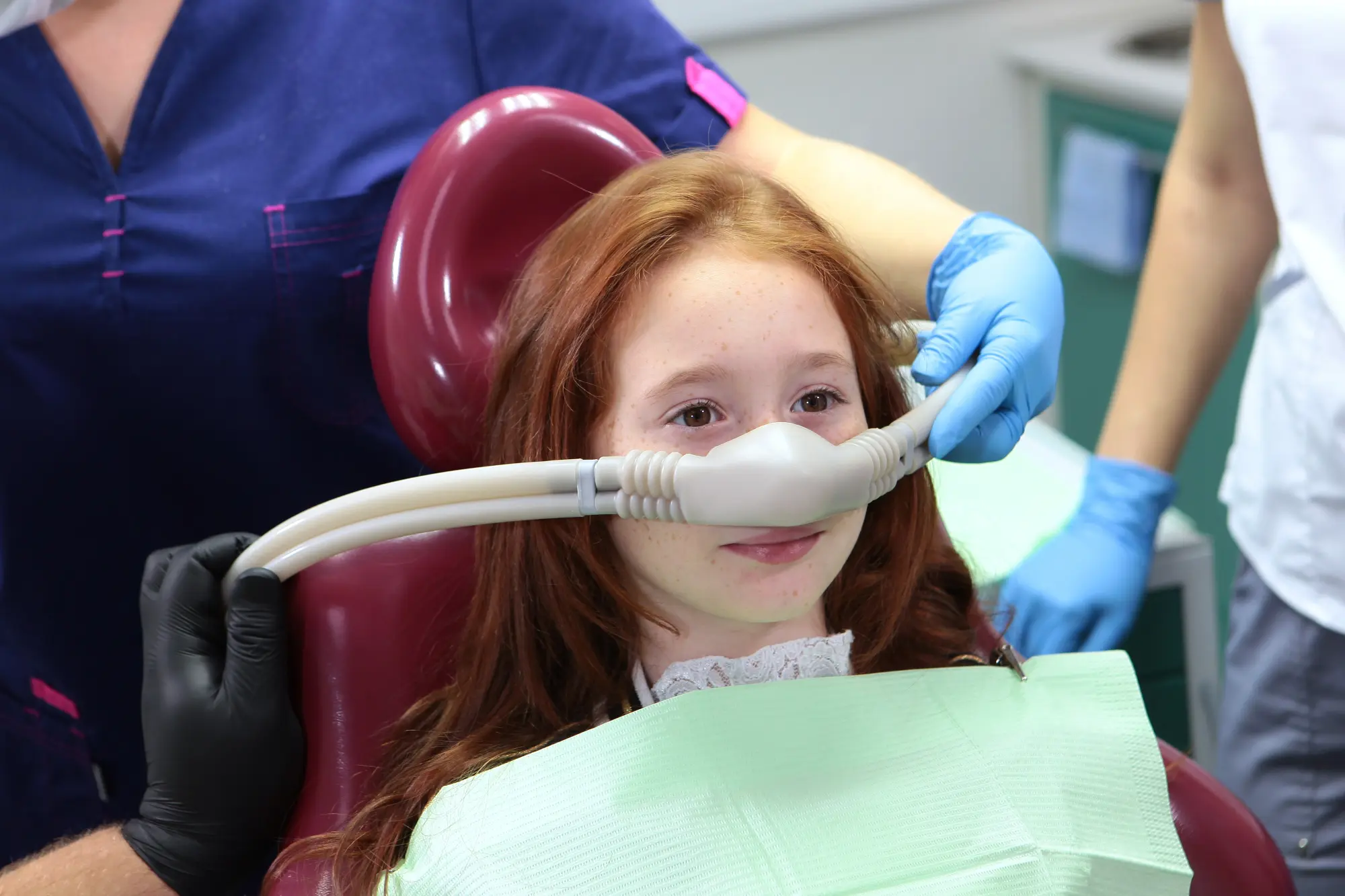
- Sedation dentistry options: Should your child need extensive care, we provide sedation options to ensure a relaxing, positive experience.
Parents often share glowing reviews about the gentle and sensory-aware approach we take with children, especially in cases that involve dental anxiety, ADHD, or autism. Our mission is to make every visit at Willow Tree Pediatric Dentistry supportive and stress-free, ensuring your child leaves with a smile.
FAQs About Pacifiers, Thumb-Sucking, and Dental Health
Will my child’s bite fix itself once they stop?
In many cases, mild alignment issues improve once the habit stops. However, if the habit persisted for years, professional guidance may be needed to assist with alignment.
Are pacifiers worse than thumb-sucking?
Both habits can impact teeth if prolonged, but pacifiers are often easier to control and phase out compared to thumb-sucking, as you can physically remove the object to stop the habit.
When should I contact a pediatric dentist?
If your child’s habit continues past age 3 or if you notice alignment concerns, speech issues, or difficulty chewing, reach out to schedule a consultation. Early care ensures the best outcomes for your child’s smile.
Protect Your Child’s Smile with Willow Tree Pediatric Dentistry
Your child’s dental health is in compassionate, expert hands at Willow Tree Pediatric Dentistry in Trumbull, CT. From personalized advice on breaking pacifier and thumb-sucking habits to gentle care tailored to your child’s needs, Dr. Martin Berger and our team are here to guide you every step of the way.
Don’t wait. Schedule your child’s appointment today by calling our office at (203) 220-6000. Let us help protect your child’s bite and create positive dental experiences for years to come!